252: Building Wealth Through Community-Driven Real Estate
LISTEN AND SUBSCRIBE
Apple Podcasts | Google Play | Stitcher | Spotify
Welcome back to another episode of The Richer Geek Podcast. Today we are joined by Fuquan Bilal, a seasoned real estate entrepreneur with over 25 years of experience building wealth through multifamily and luxury real estate investments. As the CEO and Founder of NNG Capital Fund, Fuquan shares how creative strategies, strong investor communication, and community impact drive long-term success. We talk about market cycles, investor trust, and what it really takes to raise capital the right way. This episode is packed with practical insights for investors and operators at every stage.
In this episode, we chat about…
Fuquan’s journey into real estate and revitalizing underserved communities
Lessons learned from the 2008 financial crisis and COVID market shifts
Why mindset matters just as much as property renovations
How to build trust with investors through consistent communication
Understanding different investor goals: cash flow vs. long-term equity
Scaling from early deals to raising over $50M in real estate capital
Inside look at NNG Capital Fund’s Opportunity and Mezz Funds
Key Takeaways:
Cash flow and proper leverage matter more than hype during market shifts
Community impact creates stronger, more sustainable real estate returns
Investor communication should be consistent, honest, and ongoing
Your network plays a major role in capital raising and deal growth
Different investors need different strategies—there’s no one-size-fits-all
Long-term success comes from relationships, not transactions
Resources from Fuquan
LinkedIn | NNG Capital Fund | NNG Capital Fund Podcast
Resources from Mike and Nichole
+ Read the transcript
Mike: Hey, everybody. Welcome back to another episode of The Richer Geek Podcast. Today we have Fuquan Bilal. He's a trailblazing entrepreneur, 25 years of real estate experience specializing in building wealth through innovative investments in Class B multifamily properties and luxury single family assets. He's the CEO and Founder of NNG Capital Fund. Fuquan redefine how investors approach real estate. While focusing on creative strategies, value added projects, and community-driven impact. How you doing Fuquan?
Fuquan: Doing great. Thanks for having me on. I really appreciate it.
Mike: Absolutely. So, you know, I'd love to start the podcast out. Give us a little bit about your background, how you started in these different funds in real estate and what piqued your interest about it?
Fuquan: Yeah, I always say, I jumped out the window and grew wings falling down, kind of learned that way. I actually had the opportunity to get started in '99 and started my journey there when local to me where I was, it was a lot of dilapidated properties. It gave me a feeling of importance, going back to those communities, adding value, revitalized in the properties, putting them back on a tax roll was a really good feeling. And that's kind of where I started. You know, investing that, rebuilding the community and fast forward we had the global financial crisis that happened in '08.
If anyone who was around then knew real estate market has turned upside down. So going through that challenge and rebuilding, I always say I'm market cycle tested. I have the battle scars from the GFC.
Those are rough times. It's hard, like when real estate becomes your identity.
So that kind of taught me how to separate that identity because really wasn't nothing happening in real estate. Had to quickly become someone else in order to grow. But I'm grateful for that moment because it taught me a lot, right? It taught me really the importance of cash flow.
The importance of having assets leveraged properly and make sure that you're set up for whatever's to come. You can never be perfect, but you can learn how to mitigate risks. And one of the things for me was building cash flow and also things where I can make some equity as well to increase the process of getting to the goal faster.
And that's pretty much what we do for our investors. We give them the opportunity to partner with us. Take down assets and create impacts in areas like we spoke about earlier in, in middle Georgia doing the same thing when I got started here in New Jersey. Mike: Yeah. Let me ask you, I've talked to a lot of people that have come back to their neighborhood or back to, you know, the area that they grew up to help revitalize. Sometimes it's worked, sometimes it hasn't because what they realized, and I don't know if you can tell the story about this, is sometimes the area's not ready to be revitalized.
Fuquan: Mindset.
Mike: Mindset wise. They went out and fixed these things up and they just, to 'em down again, they didn't appreciate what you're trying to do. Can you speak on that a little bit and just kind of like, "Oh, you know, maybe I is the neighborhood or is this area ready?"
Fuquan: That's a good point, right? So our mantra is complex to community, right? Complex to community. What does that mean? You can go and create a better curb appeal. You can renovate the property, make it look right, but if the people in the community is not on the same page, and I have the mindset of making sure they take the garbage to the dumpster and not sit it out in front of the door so the cats could come rip it up, or not throwing garbage out when they get out of their car, there's a garbage can right there. So creating that shift in that mindset. So offering things at properties, right? You can do things as far as.
Having nonprofit organizations come in and teach people how to get resumes, how to apply for jobs helping tutors with the kids' homework, Saturday Zumba classes, a variety of things that you can do, community events to try to build that sense of community and appreciation. So that's kind of when you change the outside and the inside and that's how you create an impact overall, right? So purposeful capitalism, if you will. That's pretty much how we address that is coming from that you understand it and you know how to work with the community in that way.
Mike: It's good. And thank you for doing that. A lot of people, you know, they'll leave the neighborhood or leave the state and I have to always remember I'm small town Indiana, and sometimes I have to remember it's like remember where you're from and stay humble and don't forget about your hometown.
You know, the community has always appreciate those that give back and don't forget it. What did the hard times, you know, 2007, 2008, or COVID, what did that teach you? You know, I bought a hotel in November, 2019.
Three, four months after that, the world crashed. And it made me so much of better general partner or hotelier. What did you learn during those crises that allow you to be a better person and a better general partner today?
Fuquan: Your network, right? Even though, you know, the world kind of slowed down.
You still had your network that you can tap into via Zoom and have weekly sessions and be accountable for certain things working with your mentors, with your CFO constantly trying to figure out, you know, how can you project shaving a budget to kind of get along a run rate. So all of the things learned from there, right? How to do risk adjusted due diligence. Building longer times to sell.
That's from COVID or whatever. You had to get like, build processes or rebuilt some of the SOPs you already had in place because everything shifted and then continuing on that same path when things came back to, I guess, normal, Right?
Continuing to look at it, the same view, right? Making sure you have a longer run rate, making sure you are constantly looking at those numbers you wasn't paying attention to before. Now it's top line, so you know, a lot of things you learn from that, right? Mike: And it's not ending, you know, 'cause not the economy is, it's like, we really haven't had, we had maybe a break in 2022-2023 maybe? And then economy, interest rates, you know, everything. It's like, "Oh, here we go again."
It's just always learning.
For the younger general partners out there that are maybe thinking about doing what you're doing, they see you as a mentor, what are some of the things you could say, these are the things you need to, number one, maybe take care of your investors, you know? Communication. What are some of the things you can tell the people starting out?
Fuquan: Definitely what you said. Communicate, communicate, communicate, right?
You put together whatever marketing to communicate to your investors to get them to know, like, and trust you to make them aware of what you have to offer.
When they partner with you, you wanna keep that same constant communication whether it's educating them on what's happening, how you're underwriting, how you're looking at certain things whether it's educational, how to access their portal to get their documents, whether it's quarterly check-ins, you know, whatever it is.
You gotta continue to provide that same service, and that's where a lot of people fall off at they put a good service on to get them in the door, but they don't continue, you know, once the person comes on. So creating a relationship that's not transactional, focusing on building long-term relationships through communicating constantly whether it's good, bad, or ugly.
That's really, you know, the main thing that I would say to take away from that, because the easy part is connecting with an SEC attorney, giving them your business plan, creating your operating agreement, putting all that together, setting up the entity to be able to do it. And then the other part is creating those relationships.
Mike: Yeah, that is the hardest part. During COVID we went from quarterly to monthly conversations and then when it was bad to weekly, it's like, " Here's the same thing. It's 8% occupied." "Here's the same thing, trying to survive," you know?
I've talked to some people and then we'll get into what you're doing now.
Should I just start a fund or should a syndication? I'm just getting started. Should I do JVs? How did you get your first deals? And then work your way up to, ladies and gentlemen, Fuquan has now raised over $50 million in real estate capital. That's a big deal.
What was your first deals like and how did you do it? And then how did you grow?
Fuquan: Yeah. You would think that's a big deal. $50 million a great achievement, by the way.
Some people, like I was saying again about your network that I've known that's been in a Wall Street network and then they go open up shop on their own and they raise $300 million, two years, right? That's where your network come into play. Understanding your network, number one, I would say, to kind of figure out what do you think you can raise from friends and family and can you build it out to, from your current network?
If you raise that amount of capital, execute on it and do what you need to do, right?
So it's having the cash to buy it, the asset to buy. And do you have the scalability to kind of manage the backend process, the reporting communication to investors, continue acquisitions, whatever your responsibilities are, right? Or if you have a team or whatever. Making sure all that's in place so you can execute on your plan 'cause once the Ries start to accrue, you wanna make sure you meet those timelines, keep everything go.
Mike: It's important. And, you know, identifying whether or not people want cash flow or they just want to park their money and, you know, it's different type of deals for different type of people.
You know, I have some people that's like, I don't want dividends. I don't need anymore cash. I want park it. And then five years when you sell it, I wanna invest it again because I don't need it, you know? And then I have some
Fuquan: Yeah, that's what we found also people who are in different parts of their journey.
Yeah, some people, you know, invest in from the IRA, they don't need it, so they rather compound the interest or get cashed out at the end of the deal term.
Some people are, they need cash. Maybe they sold their business and they're living off of the passive income. So you'll find those people and everyone's in a different point of their journey. So you're gonna have a mixture of that when you're raising capital. Some people strictly looking for equity or some people looking for income.
Mike: So let's talk about what you're doing now. Ladies and gentlemen, it's Fuquan Bilal, and it is nngcapitalfund.com. Check it out. You currently have a fund open?
It's a opportunity fund. So talk a little bit about what Real Estate Opportunity Fund is and what you're offering. Fuquan: Yeah, so we have a Mezz Fund that's sort of like a lending fund, and then we also have a Luxury Spec Home Fund where we're buying homes here in northern Jersey, and basically investor had the opportunity to partner with us on that.
It's a two-year term. There's no distribution into the property, so it's 12% that they get for the two year term. The houses usually sell anywhere between 12 and 18 months, but the term is two years. And then we also have the Mezz Fund, which is a lending fund. We give investors opportunity to take a Mezz position on an asset and to receive monthly payments.
And that's, that can range anywhere between 10% to 13%, depending on amount invested. If anyone is interested, they can go to the website and schedule a discovery call. Usually I'll see what you know, what their goals are and if you know there's some alignment and explain to them what we're doing in the communities and the opportunities that we have as a capital partner and then we move from there.
Mike: Accredited investors?
Fuquan: Yeah, accredited investors only currently. We like, all investors, , usually what we do is we like to educate those people who currently don't meet the criteria, but maybe they're on their way. So at least we're still educating them and letting them know what their options are and eventually we've seen people reach that level.
Mike: And it is very cool, you know, when you say, "Hey, can I invest now? But I'm not quite an accredit investor. I'll be in a year."
I say, "Well, no, but let's talk."
And next year there's always gonna be an open fund. So ladies and gentlemen, again, it's nngcapitalfund.com.
Any resources, when people click on your website how can they find out more about you? Or is there any educational materials? Fuquan: Yes, we do have some podcasts and some of the blog content that we put out on the website is resources. We have some podcasts that we've done that we update there.
Probably in the next, this next quarter we are planning on adding more value to the site with some updates. So, but right now, those are the current resources. They can, you know, look at the content that we're putting out. Also the podcast that's currently there.
Mike: And how can people get ahold of you outside of, the website?
Fuquan: Yeah, so you know, I'm all over social media at Fuquan Bilal you know, on Facebook, LinkedIn. They can reach me through there. They can actually schedule a call on a website and then schedule a time for us to connect there as well.
Mike: And Fuquan, is there anything that you'd like to tell our listeners maybe I didn't hit on, you know, questions that I didn't ask?
Fuquan: I was gonna say my favorite ice cream. I was gonna say my favorite ice cream.
Mike: I'll tell you mine.
Fuquan: Butter Pecan I think?
Mike: Oh no, that's, no.
Fuquan: It changes every time I walk into the ice cream parlor. I know. I'm not supposed to have ice cream.
Mike: Well, my wife's not here, so I sneak in some ice cream once in a while, but Butter Pecan is, I love that's the one I grew up on.
Fuquan: Awesome.
Mike: And I'm a pie guy too. I gotta have, I can't have pie without ice cream. It's gotta be ala mode.
Fuquan: That sounds like a sugar rush.
Mike: Once in a while. I sneak it in. Maybe on holidays. Fuquan, it's been a pleasure having you on The Richer Geek Podcast. Ladies and gentlemen, Fuquan Bilal at nngcapitalfund.com. Check it out if you want to possibly diversify your portfolio. Have a nice evening.
Fuquan: Thank you.
The information, statements, comments, views, and opinions (collectively, “Information”) provided in this podcast are not intended to be and should not be construed as financial, economic, legal, accounting, tax or other advice. For our full disclosure, click here.
ABOUT FUQUAN BILAL
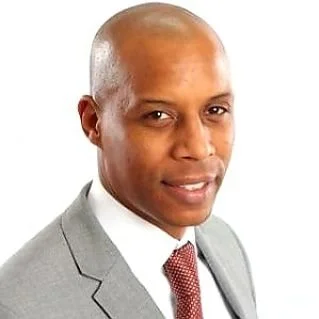
Fuquan Bilal is an experienced real estate entrepreneur with over 25 years in the industry. He is the CEO and Founder of NNG Capital Fund, where he focuses on Class B multifamily and luxury single-family investments rooted in value creation and community impact. Fuquan has raised over $50 million in real estate capital and manages assets across North Jersey and Southeast markets, including Macon, GA. Through the NNG Real Estate Opportunity Fund, he helps accredited investors build long-term wealth through strategic, hands-on real estate investing.